56th Annual Symposium

The 56th Annual Symposium hosted by LATAM will be October 10-14 at the Ritz Carlton Hotel in Santiago, Chile.
As always, this year's Symposium will offer the latest innovation in airline operations research and analytics. Various topics to be discussed include airline operations, airline strategy, cargo logistics, crew scheduling, e-commerce, information technology, OR management, revenue management, robust planning, and scheduling planning. Representatives from airlines, air transport associations, universities, industrial research labs, and consultants will discuss new ideas and present technical papers. The conference includes a vendor program for you to review the latest products. Come and share with us your ideas, thoughts, current trends, philosophies, and latest technological advances on any of the above or related topics.
For more information or if you have any questions, please contact:
Goran Stojkovic
Email: Goran.Stojkovic@jeppesen.com
AttendeesThis year we have over 80 people from more than 40 organizations (airline, academic and industry) joining us. Details are on the 56th Symposium Attendees page. Social ActivitiesWednesday Afternoon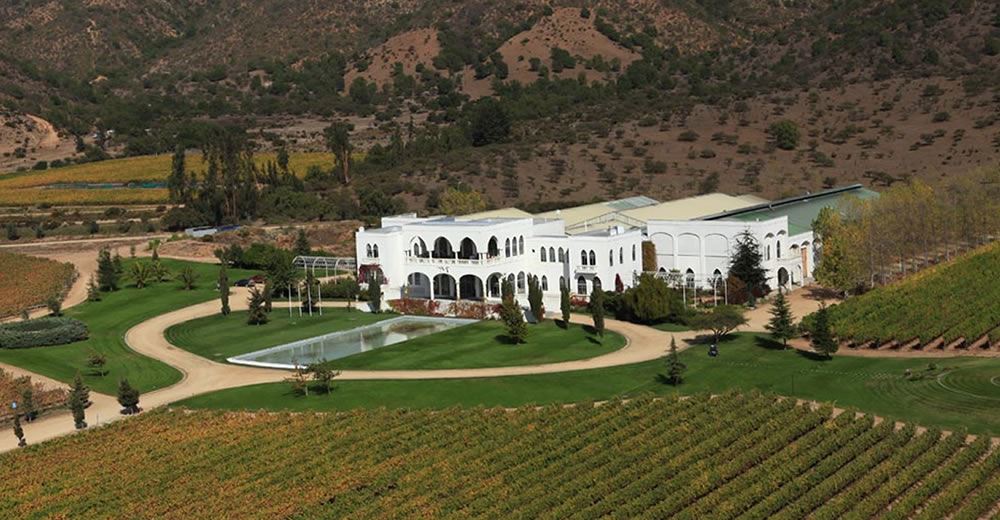  We are off to the majestic hills of Casablanca to visit the Viña Mar winery where we will tour the vineyards (planted with Sauvignon Blanc, Chardonnay, Pinot Noir, Merlot, Cabernet Franc and Carmenere) production rooms and wine cellars. After the tour we will have dinner at the winery.
Thursday EveningBusses leave the hotel at 18:30.
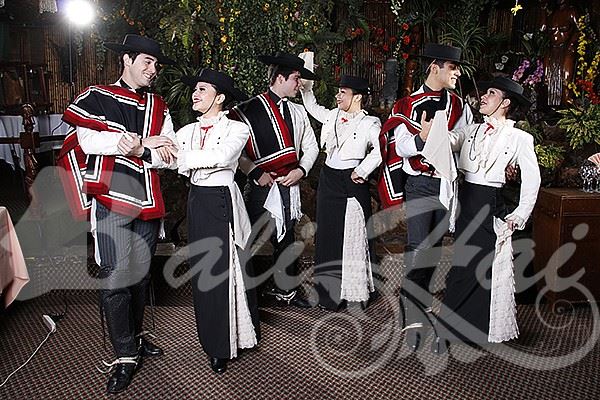
The Gala Banquet will feature the announcement of the Anna Valicek Award winner and recognition of our two new Fellows. We will travel to Bali Hai restaurant for the awards ceremony, dinner and a show. Bali Hai Restaurant Av. Cristobal Colon, N0 5146 - Las Condes, Santiago
| Paper Voting and SurveyVoting on the Best Innovation Paper, Best Technical Paper and Best Presentation is now closed. Congratulations to all the winners: Best Technical Some Recent Improvements in Operations Recovery Management, Xiaodong Luo Sabre Best Innovation LARCH: A package for estimating multinomial, nested, and cross-nested logit models that account for semi-aggregate data - Jeffery Newman Georgia Tech Best Presentation Aircraft boarding strategies - Massoud Bazargan - Embry - Riddle Aeronautical University Although voting for papers is over, we also still like you to provide feedback on the Symposium content, venue, organization, etc. by filling out our survey. Anna Valicek AwardThe Anna Valicek Award recognizes original and innovative research in the application of operations research to airline and/or airline related business problems. The award honors the late Anna Valicek who served for many years as a member of the AGIFORS council.
Second Place -- Bronze Medal: Michael Wittman, MIT: Customized Offers in Airline Revenue ManagementPapers and Other PresentationsPlease send your questions to the Symposium Technical Chair, Semi Gabteni at semi.gabteni@amadeus.com. |

 Marcella Sama, Roma Tre University:
 SponsorsPlatinum
| ||||||||||||||||||
Silver | ||||||||||||||||||
 |
|  | ||||||||||||||||
Chrome | ||||||||||||||||||
 |  |  | ||||||||||||||||
Bronze+ | ||||||||||||||||||
 |

Host City
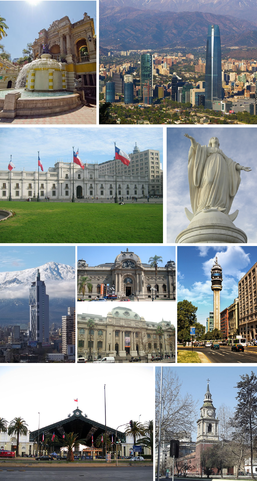
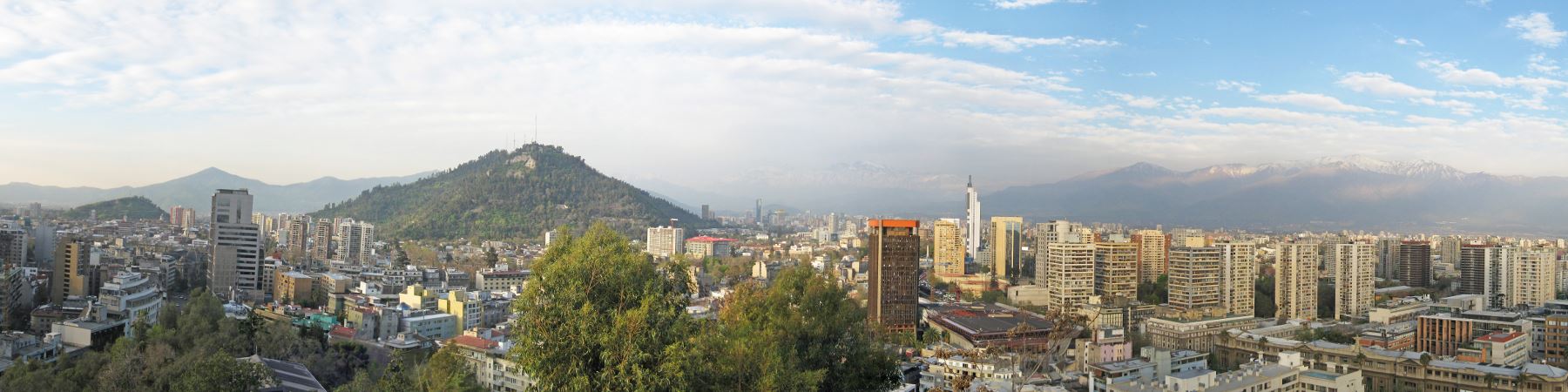
Santiago, Chile’s capital and largest city, sits in a valley surrounded by the snow-capped Andes and the Chilean Coastal Range. Plaza de Armas, the grand heart of the city’s old colonial core, is home to 2 neoclassical landmarks: the early-19th-century Royal Court Palace, which houses the National History Museum, and the 18th-century Metropolitan Cathedral. Barrio Brasil and bohemian Barrio Bellavista offer lively nightlife. The metropolitan area has about seven million inhabitants. HotelRitz Carlton Santiago | General InformationCurrencyChile uses the Chilean peso: 1,000 Ch$ are about US $1.46/EU €1.29 (June 2016). WeatherAs you are making your travel plans, please check the local weather. Current forecasts are calling for daytime highs in the low 20s°C (70s°F). Evenings are much cooler, so pack accordingly. The average temperature in Santiago for October is a high of 22°C (72°F) and a low of 7°C (45°F). Conference AttireBusiness casual attire is appropriate for all business sessions and the Welcome Reception. Men typically wear khakis and button-down or polo shirts. Women generally wear casual skirts/dresses/slacks and polo shirts/blouses. Please bring a light sweater or jacket as meeting rooms can be cool. Casual dress is appropriate for the Wednesday afternoon/evening social event; please wear comfortable shoes. Current weather forecasts are for an overnight low of 7°C (45°F), so please bring a light jacket or sweater. Business formal (suit & tie) is requested for the Gala Dinner on Thursday night. Internet AccessComplimentary internet access is available to all guests booked within the group block. Please access by following the directions provided by the front desk.
Mobile/Cell Phone InformationPlease review your service providers international coverage policy for information about calls/data plans. Review data roaming information carefully as roaming charges may be high. |